
New oven or induction cooktop? Blue Link Electrical Services connects electric ovens, cooktops and rangehoods across Sydney, and checks the circuit can handle the new appliance.
Induction cooktops in particular often need a bigger circuit than the old cooktop had.
Hardwired ovens and cooktops draw a lot of current. The cable, circuit breaker and safety switch must suit the appliance's rating, which is on its data plate and in the installation manual.
Swapping gas for induction often means a new, larger circuit from the switchboard. Older boards may need work to fit it.
We handle the electrical side. Gas connections and disconnections must be done by a licensed gasfitter.
Every hardwired oven and cooktop has a data plate, usually on the underside of the cooktop or on the oven frame behind the door, listing its maximum load. That figure, together with the installation manual, sets the size of the circuit breaker and cable. Many full-size induction cooktops ask for a dedicated circuit of 32 amps or more, while some two-zone models need far less, so we work from the model you have chosen rather than a rule of thumb.
Older kitchens often run the oven and cooktop from one circuit. When a new appliance is added or the existing ones are upgraded, it can be better to give each its own circuit and breaker so a fault in one does not take out the other. Every new circuit in a home also needs RCD (safety switch) protection, which is where some older switchboards run out of room.
Cable that runs through insulated ceilings or bundled with other cables carries less current than the same cable in open air, so long runs to an island bench sometimes need a heavier cable. Most manufacturers also ask for an isolating switch or connection point that can be reached once the appliance is in place, which is easiest to plan before the benchtop and cabinets are fitted. Rangehoods normally plug into a power point in the cupboard above; we can add one if it is missing.
With induction, the cooktop itself is simple to fit. The work is in the circuit that feeds it.
We compare the new cooktop's rating with the cable and breaker already in the kitchen. If the old circuit is too small, we run a new one from the switchboard. If it is big enough, we reuse it and tell you so.
A new cooktop circuit needs space on the board for its breaker and safety switch protection. We also look at the total load on your home's supply, since induction adds a large load. If the board has no room or is in poor condition, we explain the options before any work starts.
Going from gas to induction usually means there is no electric cooktop circuit at all. We run and connect the new circuit. The gas side is different. A licensed gasfitter must disconnect and cap the gas supply. We can tell you what to ask them so both trades line up.
We connect electric ovens and stoves in new kitchens, renovations and straight swaps.
Built-in ovens sit under the bench or in a tall cabinet. The connection point needs to go where the manual and the cabinetry allow. Tell us the oven model early and we can plan it with your cabinet maker.
A freestanding stove has the cooktop and oven in one unit. It usually connects at the wall behind the stove. When replacing an old stove, we check the existing circuit suits the new one.
Wide upright cookers can draw more than a standard stove. Some are dual fuel, with gas burners and an electric oven. We do the electrical connection. A licensed gasfitter does the gas.
Some ovens come with a plug, and some of those need a 15 amp outlet rather than a standard power point. Larger ovens, stoves and cookers are usually hardwired. The installation manual says which, and we fit the right outlet or connection.
Quotes are free and written before work starts.
Pick your brand to see its own page.
Often needs a larger circuit.
Hardwired ovens need a licensed electrician.
Often an element fault.
Plan circuits before cabinets go in.
Needs a suitable power point or connection.
We can isolate it safely and quote a replacement.
The data plate and manual tell us the circuit it needs.
Cable, breaker and switchboard capacity.
Hardwired connection to the manufacturer's instructions.
Tested under load and explained.
Hardwired cooking appliances must be connected by a licensed electrician to AS/NZS 3000 and the manufacturer's instructions. Gas work must be done by a licensed gasfitter.
Often. Many induction cooktops need a larger circuit than the old electric or gas cooktop. We check the rating and your switchboard.
No. Gas disconnection must be done by a licensed gasfitter. We handle the electrical connection for the new appliance.
Some smaller ovens are plug-in, but many are hardwired. The installation manual tells you which.
A failing element is a common cause. We test the appliance and circuit to confirm.
Tell us the delivery date and model when you call and we will tell you what timing is possible.
We work right across Sydney. These suburbs have their own pages; if yours is not listed, call us anyway.
NSW Electrical Contractor Licence 332956C · Fully insured · Since 2016 · Working across all of Sydney
Excellent service from Blue Link Electrical Croydon. They were punctual, knowledgeable, and took care to make sure everything was completed properly. Very impressed with their professionalism and attention to detail. I’d happily recommend them to anyone needing a reliable electrician.
Had a great experience with the team. They were reliable, professional, and did an excellent job from start to finish. Everything was handled smoothly and I’m very happy with the result. Highly recommend!
Can't fault the service from Blue Link Electrical From first contact to job completion everything was smooth and professional Quality workmanship and great attention to detail. One of the best trades experiences I've had. Make sure you do them slowly
Shown in full, as written on our Google Business Profiles.
Send us a few details and we'll get back to you with a clear, upfront quote.
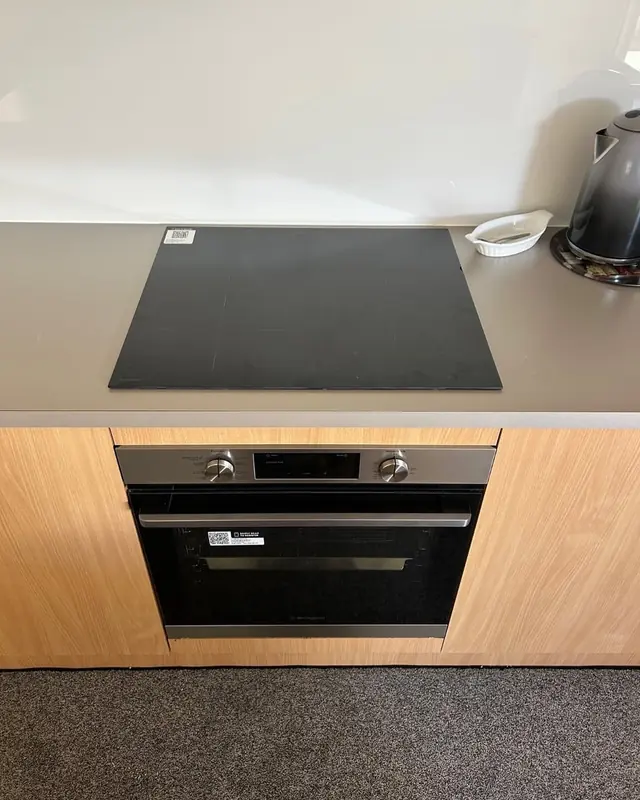 Cooktop and Oven Installation in Petersham
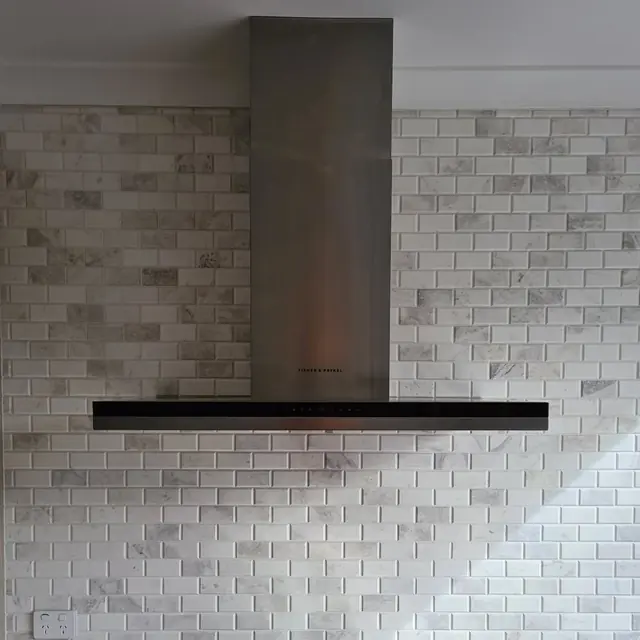 Rangehood Installation in Dulwich Hill